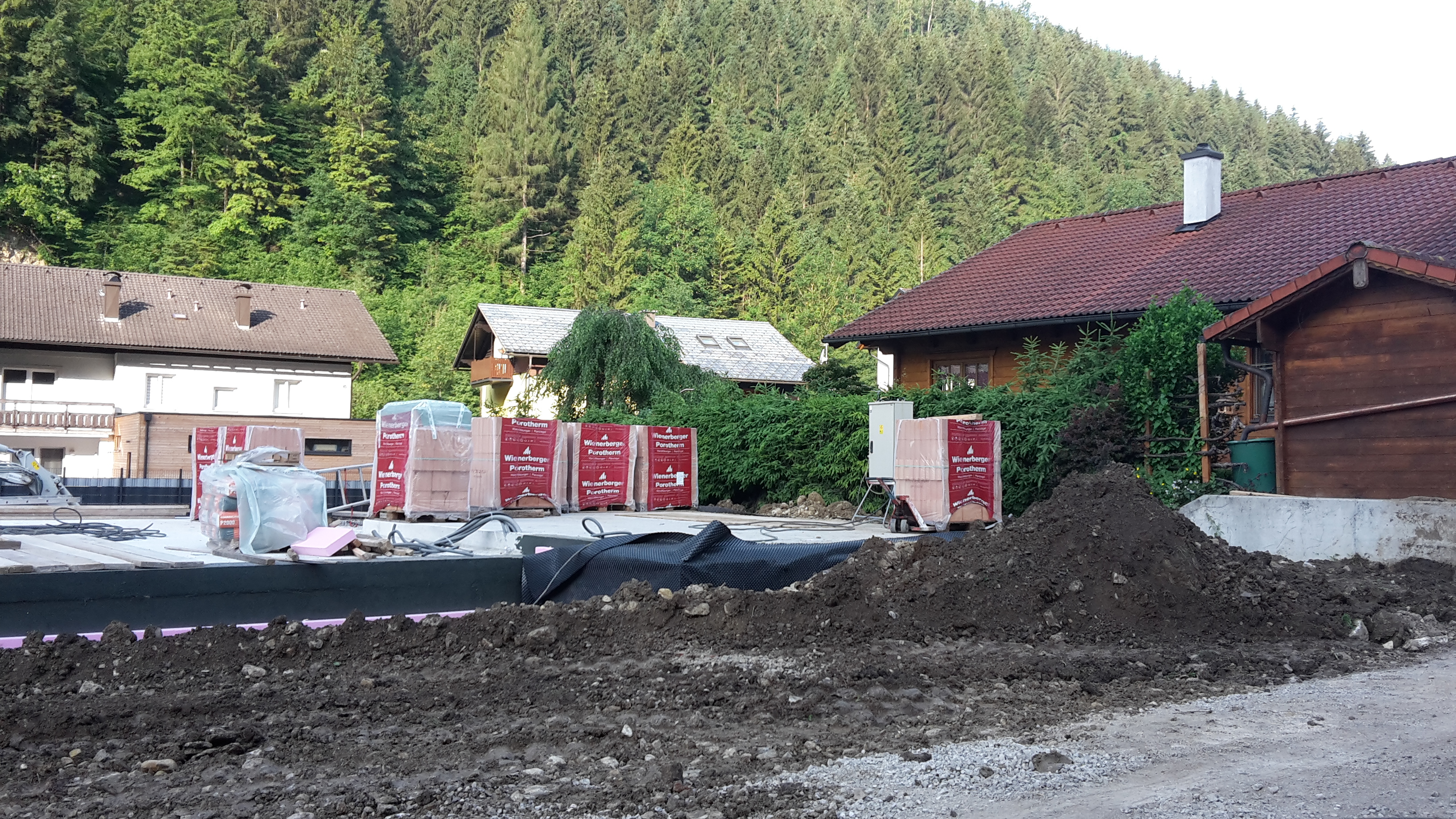
The construction materials supply chain connects raw extraction to finished structures, delivering concrete, cement, aggregates, and steel. Tarmac, one of the UK's largest aggregate suppliers, operates a nationwide network of crushed rock, sand, and gravel quarries alongside marine aggregate licences, ensuring continuous availability for building and infrastructure projects.
How the Building Materials Supply Chain Works Construction supply chains comprise three core components: raw material extraction, processing and manufacturing, and logistics and delivery. Aggregates are extracted from natural sources—crushed rock quarries and sand-and-gravel pits—or recovered from marine licences around the UK. Processing converts raw materials into graded products serving specific applications. Logistics teams coordinate bulk and bagged delivery via road fleet and rail, matching supply from local quarries to regional demand. Tarmac operates a national network of local supply points providing customers with supply assurance.
Beyond primary aggregates, the supply chain increasingly integrates secondary and recycled materials. Tarmac positions itself as the largest supplier of recycled aggregates in the UK, supporting customers' sustainability commitments and legislative requirements for circular construction.
Key Stakeholders in the Supply Chain Four stakeholder groups shape materials flow: Producers and extractors control raw material availability. Processors and manufacturers convert aggregates and binders into construction products such as concrete, mortar, and asphalt. Logistics providers coordinate transport from site to destination. End-users specify material requirements and delivery windows, driving demand signals upstream.
What Challenges Does Construction Face in Supply Chain Management? The construction industry confronts several persistent supply chain challenges. Coordination complexity increases with project scale; tight schedules demand precise sequencing of deliveries, yet weather, permitting delays, and labour shortages disrupt planned flows. Quality control across multi-tier supply chains requires rigorous testing and documentation. Sustainability pressures add another layer: legislative mandates and client requirements push demand toward lower-carbon materials, yet availability of recycled aggregates and alternative binders varies regionally.
How to Improve Construction Supply Chain Management Effective supply chain management begins with partnering with quality-assured suppliers. Leveraging digital tools enhances visibility and coordination. Tarmac offers digital platforms—customer portals, BIM libraries, and calculators—that streamline specification, ordering, and delivery scheduling. Building resilience through diversified sourcing mitigates single-point failures by maintaining relationships with multiple quarries, ready-mix plants, and logistics providers.


